
Carpal Tunnel Syndrome Treatment In Hanumangarh
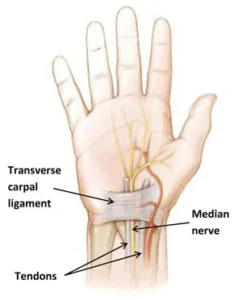
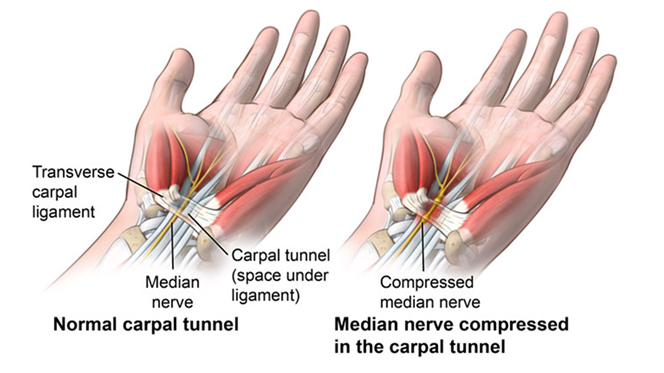
The carpal tunnel is a narrow passage located on the palm side of your wrist, enclosed by bones and ligaments. Various factors, such as wrist anatomy, underlying health conditions, and hand use patterns, can contribute to the development of carpal tunnel syndrome.
Within this tunnel, a major nerve to your hand and nine tendons responsible for bending your fingers are protected. Compression of this nerve leads to symptoms like numbness, tingling, and eventual weakness in the hand, which are characteristic of carpal tunnel syndrome. Fortunately, effective treatments are available for most people, providing relief from tingling and numbness while restoring wrist and hand function.
Symptoms of carpal tunnel syndrome
carpal tunnel syndrome often begin with numbness or tingling in the thumb, index, and middle fingers. Although tingling or numbness in these fingers is common, the little finger is typically unaffected. This condition may also be associated with pain in the wrist and hand. The sensation can occur when holding objects like a steering wheel, phone, or newspaper, especially during waking hours. As the disorder progresses, some people experience constant numbness, prompting them to frequently shake their hands in an attempt to relieve symptoms.
Causes of carpal tunnel syndrome
Carpal tunnel syndrome arises due to compression of the median nerve, which travels from your forearm to your hand through the narrow carpal tunnel in your wrist. This nerve provides sensation to the palm side of your thumb and fingers, as well as controlling motor functions in the muscles near the base of your thumb, excluding the little finger.
Several factors can lead to carpal tunnel syndrome, including conditions that narrow the carpal tunnel or cause irritation to the median nerve, such as wrist fractures or swelling and inflammation related to rheumatoid arthritis. In many cases, a combination of these risk factors contributes to the development of this condition.
Risk Factors
Several factors have been associated with carpal tunnel syndrome, although they do not directly cause the syndrome. Instead, they may increase the risk of developing the condition or aggravate damage to the median nerve. These factors include:
Anatomic factors – A wrist fracture or dislocation that alters the space within the carpal tunnel can exert additional pressure on the median nerve. Gender – Individuals with smaller carpal tunnels might be more susceptible to carpal tunnel syndrome. The condition is more prevalent in women, possibly due to the smaller size of their carpal tunnels compared to men, leaving less room for error. Women with carpal tunnel syndrome may also have smaller carpal tunnels than those without the condition. Nerve-damaging conditions – Chronic diseases like diabetes elevate the risk of nerve damage, including damage to the median nerve. Conditions such as rheumatoid arthritis can irritate wrist tendons, putting strain on the median nerve.
Changes in body fluid balance – Fluid retention, common during pregnancy or menopause, can increase pressure within the carpal tunnel, leading to irritation of the median nerve. Carpal tunnel syndrome during pregnancy typically resolves on its own. Other medical conditions – Menopause, obesity, thyroid issues, and kidney disease may heighten the risk of carpal tunnel syndrome. Workplace factors – Repetitive wrist movements, especially with vibrating tools on assembly lines, can apply significant pressure on the median nerve or worsen existing nerve damage. However, the scientific evidence is intricate, and these factors have not been definitively proven as direct causes of carpal tunnel syndrome. Numerous studies have explored the link between computer use and carpal tunnel syndrome. While prolonged computer use can cause different types of hand pain, there isn’t enough consistent evidence to support it as a direct risk factor for carpal tunnel syndrome.
Prevention
Although there are no foolproof methods to prevent carpal tunnel syndrome, you can minimize the impact of physical activities on your hands and wrists by taking the following precautions:
Opt for a large pen with an oversized, soft grip adapter and smooth-flowing ink for prolonged handwriting tasks, such as operating a cash register. This reduces the need to grip the pen tightly or press the paper too hard. Take regular breaks to allow your hands and wrists to rest. Periodically stretch and flex them gently, and try to alternate tasks whenever possible. When using vibrating equipment or engaging in activities requiring substantial force, breaks become even more crucial. Pay attention to your hand position. Avoid extreme wrist flexion or extension; instead, maintain a relaxed middle position. Keep your hands warm, especially if you work in a cold environment. Cold temperatures can lead to hand pain and stiffness. If temperature control is challenging, consider wearing fingerless gloves to keep your hands and wrists warm.
Physiotherapy Treatment for Carpal Tunnel Syndrome
Carpal tunnel syndrome, a common condition affecting the upper limb, occurs due to the compression of the median nerve at the palmar aspect of the wrist. This compression leads to pain, numbness, tingling, and other neurological symptoms in the thumb, index, middle, and half of the ring finger.
The primary objectives of physiotherapy intervention include:
- Relieving Pain: Physiotherapy aims to alleviate pain associated with carpal tunnel syndrome.
- Improving Strength and Mobility: Rehabilitation exercises focus on enhancing wrist and finger strength and flexibility.
- Guidance and Education: Patients receive guidance on lifestyle modifications and learn about factors that can worsen their symptoms.
- Preventive Measures: Physiotherapists advise on preventive strategies to minimize symptoms.
- Post-Operative Rehabilitation: In cases where surgery is necessary, physiotherapy supports the patient’s recovery.
Listening to your body’s signals is crucial, as carpal tunnel syndrome primarily affects the wrist and hand, rarely extending to the forearm. Diagnosis is straightforward, with symptoms localized in the affected area.
Repetitive and prolonged wrist use, common in activities like prolonged typing, often leads to this condition. Vibratory movements involved in certain professions can also contribute.
Effective management involves:
- Activity Modification: Avoid repetitive movements and take regular breaks to rest your hands and wrists.
- Ergonomic Adjustments: Proper desk and chair setup, keyboard placement, and maintaining relaxed postures are essential.
- Exercises: Customized stretching and strengthening exercises improve flexibility and hand function. Examples include wrist bends, finger bends, and ball squeezes.
- Modalities: Physiotherapy incorporates various techniques like hot/cold packs, ultrasound therapy, TENS, and laser therapy to alleviate pain. Keeping the hands and wrists warm can also help.
- Night Splints: Wearing a night splint, which maintains a neutral wrist position during sleep, aids in symptom management.
- Surgical Consultation: If conservative treatments do not yield results, consulting a surgeon for possible surgery may be necessary.
Physiotherapy plays a vital role in post-surgical recovery, focusing on regaining strength and functional mobility. Exercise programs are tailored to individual needs, always under professional supervision.
Remember, the key to effective management lies in a combination of proper ergonomics, targeted exercises, and expert guidance from physiotherapy professionals.
If you’re seeking Carpal Tunnel Syndrome treatment in Hanumangarh, rely on us for personalized care and efficient rehabilitation. Regain confidence in your movements and quickly resume your normal activities with our specialized Carpal Tunnel Syndrome treatments. Visit Dr. Ram Sihag Physiotherapy Clinic today for expert Carpal Tunnel Syndrome care tailored to your needs.
Copyright ©2023 all rights reserved