
Stress Urinary Incontinence (SUI) Treatment In Hanumangarh
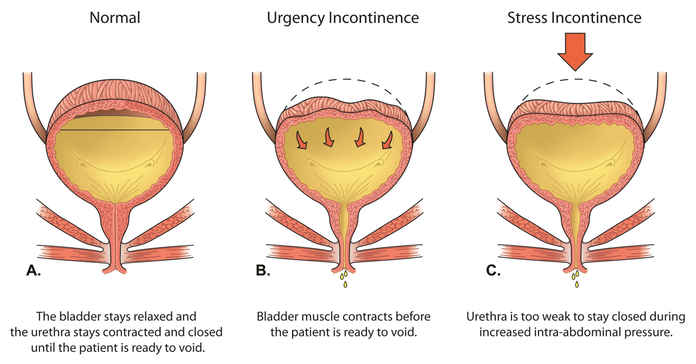
Stress Urinary Incontinence (SUI) happens when urine leaks due to sudden pressure on the bladder and urethra, causing the sphincter muscles to briefly open. It is the most common type of incontinence in women, affecting women of all ages, with those over 50 and recent mothers being especially susceptible. Activities like exercise, sneezing, laughing, or coughing can lead to mild SUI, while severe cases may result in leaks during everyday actions like standing, walking, or bending over. Urinary accidents can range from a few drops to soaking through clothes.
It’s important to note that Urgency Incontinence and Overactive Bladder (OAB) are different from stress incontinence. Urgency incontinence, or OAB, occurs when the bladder muscle contracts suddenly, creating an urgent need to urinate before reaching the bathroom. Women are more prone to stress incontinence than men.
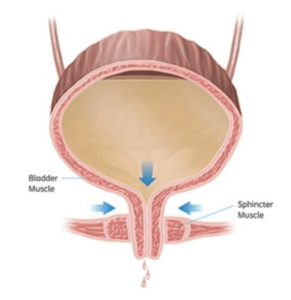
causes of Stress Urinary Incontinence
The causes of Stress Urinary Incontinence stem from the stretching, weakening, or damage of the pelvic floor, which supports the bladder and urethra. Pregnancy, childbirth, chronic coughing, nerve injuries in the lower back, or pelvic surgeries like prostate cancer surgery can all contribute to muscle weakening.
symptom of SUI
The primary symptom of SUI is urine leakage during activities that increase abdominal pressure, such as sneezing, coughing, laughing, jumping, exercising, heavy lifting, or sexual intercourse. Leakage can vary from a few drops to a stream of urine.
Physiotherapy of Stress Urinary Incontinence
Stress Urinary Incontinence (SUI) is effectively treated through physiotherapy, providing a safe and non-invasive solution. At Dr. Ram Sihag physiotherapy Clinic in Hanumangarh, we customize therapy based on your needs, aiming to control symptoms, reduce reliance on medications/pads, and minimize the need for surgery. This approach is especially crucial for women but is also beneficial for men experiencing incontinence.
The physiotherapist’s role includes:
Strengthening Pelvic Floor Muscles: Focus on enhancing the strength, coordination, and endurance of pelvic floor muscles, which form a hammock-like structure from the tailbone to the pubic bone. These muscles need to be consciously activated, and exercises like Kegels are taught in various positions (lying, sitting, standing, walking) to improve bladder control.
Bladder and Bowel Training: Implement techniques for bladder and bowel control, along with fluid management and dietary modifications. Posture plays a vital role during exercises to avoid unnecessary strain on core and back muscles.
Electric Muscle Stimulation: Utilize electric muscle stimulation to enhance muscle awareness and function. This method aids in efficient contraction of pelvic floor muscles, making them more resistant to pressure from the abdomen. Combining muscle contractions with activities that induce downward pressure, such as coughing, strengthens the muscles effectively.
Knack Principle: Incorporate the knack principle, emphasizing timely contractions of pelvic floor muscles during activities that create downward pressure, like sneezing or lifting heavy objects.
Bladder Retraining: Gradually extend the time between toilet visits, starting with minimal increments. Techniques such as mental distraction and quick pelvic floor muscle contractions assist in bladder retraining. Avoiding unnecessary toilet use contributes to the retraining process.
Additional Tips:
- Avoid straining during bowel movements to alleviate pressure on pelvic floor muscles.
- Identify bladder irritants, such as caffeine, and minimize their consumption.
- Patience and Regularity: Improvement may take 6-8 weeks of consistent exercises, electric muscle stimulation, and bladder retraining. The success rate ranges from 70-80%, often avoiding or delaying the need for surgery.
Remember, urinary incontinence doesn’t have to dictate your life. Explore your treatment options today at Stress Urinary Incontinence treatment in Hanumangarh, trust us for personalized care and effective rehabilitation. Regain confidence in your movements and resume your normal activities swiftly with our specialized Stress Urinary Incontinence treatments. Visit Dr. Ram Sihag physiotherapy Clinic today for expert Stress Urinary Incontinence care tailored to your needs.
Copyright ©2023 all rights reserved