
Frozen Shoulder Treatment In Hanumangarh
Frozen shoulder is a condition that demands attention; ignoring it can exacerbate the pain. Patients suffering from frozen shoulder often experience pain and stiffness in the shoulder joint. Simple tasks like lifting the arm, combing hair, and even wearing clothes can become excruciating. The pain typically intensifies at night.
Frozen shoulder can be categorized into two types:
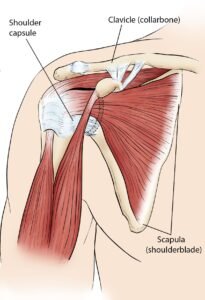
Idiopathic Frozen Shoulder: This type occurs without any apparent cause, such as joint injury. It is often linked to other underlying conditions like diabetes mellitus, thyroid diseases, and Parkinson’s.
Secondary Adhesive Capsulitis: This form can result from a shoulder injury or joint immobilization, for example, due to rotator cuff injuries or bicipital tendinitis.
At Dr. Ram Sihag physiotherapy Clinic in Hanumangarh, we offer specialized physiotherapy for frozen shoulder. Our approach involves utilizing advanced modalities and mobilization techniques, including shoulder glides, aimed at reducing pain and enhancing the range of motion. We employ cutting-edge machines designed to expedite your frozen shoulder recovery process.
Our team of expert physiotherapists targets all aspects of the joint. Based on the individual’s condition, these interventions may be passive, active, or active-assisted. Our comprehensive physiotherapy sessions cover a range of shoulder movements, including flexion, abduction, internal rotation, external rotation, and joint extension.
As we make progress in alleviating your shoulder pain and improving your range of motion, we shift focus to enhancing shoulder strength. Specific resistance exercises are incorporated to bolster joint strength, and we may recommend the use of Therabands for targeted workouts.
Seek our expert assistance today, and let us guide you towards lasting relief from frozen shoulder discomfort. Your well-being is our priority.
Prevention and Treatment of Frozen Shoulder:
Frozen shoulder typically progresses through three stages, each lasting several months:
Painful Stage: In this initial stage, any movement of your shoulder causes pain, and your shoulder’s range of motion starts to decrease.
Frozen Stage: Pain may begin to subside, but your shoulder becomes increasingly stiff, leading to a significant reduction in your range of motion.
Thawing Stage: During this phase, your shoulder’s range of motion gradually improves.
It’s important to note that for some individuals, the pain intensifies at night, occasionally disrupting normal sleep patterns. Seeking appropriate treatment and following a tailored exercise regimen can aid in managing the symptoms and promoting a smoother recovery process.
Causes:
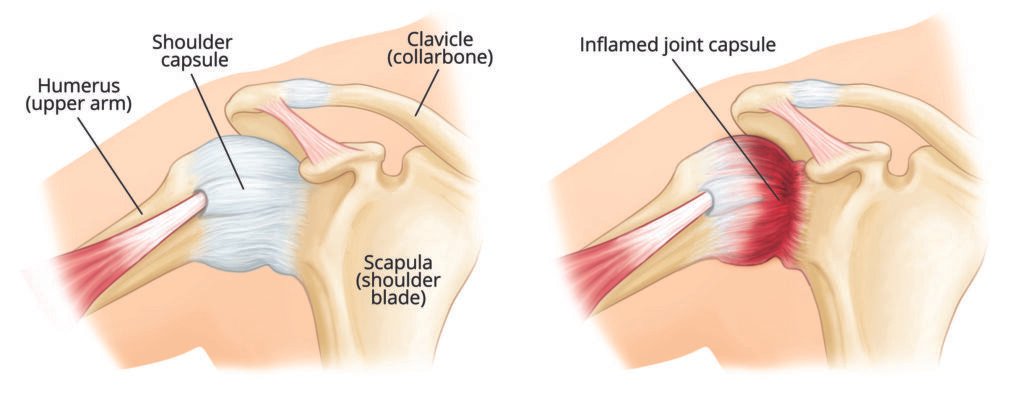
Frozen shoulder occurs when the capsule of connective tissue encasing the bones, ligaments, and tendons in the shoulder joint thickens and tightens, limiting its movement. The exact cause remains unknown, but certain factors increase the risk, such as prolonged immobilization after surgery or a broken arm.
Risk Factors:
- Age and Sex: Individuals over 40, especially women, are more susceptible to frozen shoulder.
- Immobility or Reduced Mobility: Conditions like rotator cuff injury, broken arm, stroke, or recovery from surgery can lead to immobility, increasing the risk.
- Systemic Diseases: Medical issues like diabetes, hyperthyroidism, hypothyroidism, cardiovascular disease, tuberculosis, or Parkinson’s disease can predispose individuals to frozen shoulder.
Prevention:
Maintaining shoulder joint mobility during recovery from injuries is crucial. Consult a doctor for suitable exercises to preserve your shoulder’s range of motion.
Physiotherapy for Frozen Shoulder:
Physiotherapy effectively addresses frozen shoulder, alleviating pain and enhancing recovery. While the condition is self-limiting, physiotherapy accelerates healing, reducing pain and stiffness.
Acute Phase (Freezing Phase): Focuses on pain relief. Gentle exercises like isometrics, pendulum movements, and pulley exercises are recommended. Hot or cold packs, ultrasound, interferential therapy, and laser therapy aid in pain management.
Recovery Phase: Emphasizes improving shoulder movement. Joint mobilization exercises are beneficial. Home exercise programs incorporate stretches, pendulum exercises, towel stretches, finger walks, and armpit stretches.
Thawing Phase: Strength training begins using body weight and gradually incorporating weights and Therabands. Physiotherapy significantly reduces painkiller dependency.
Remember, a structured treatment plan can hasten recovery and enhance overall well-being. Consult a physiotherapist for Frozen Shoulder Treatment In Hanumangarh promptly if you’re experiencing frozen shoulder symptoms.
Copyright ©2023 all rights reserved