
Lumber Herniated Disc Treatment In Hanumangarh
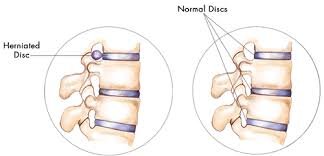
A herniated disk occurs when one of the rubbery cushions (disks) between the bones (vertebrae) in your spine is affected. Imagine a spinal disk as akin to a jelly donut, with a softer center encased within a tougher outer layer. Sometimes referred to as a slipped or ruptured disk, a herniated disk happens when the softer “jelly” protrudes through a crack in the sturdy exterior.
This condition can irritate nearby nerves, leading to pain, numbness, or weakness in an arm or leg. However, many individuals with a herniated disk experience no symptoms. In most cases, surgery is not necessary to address the problem.
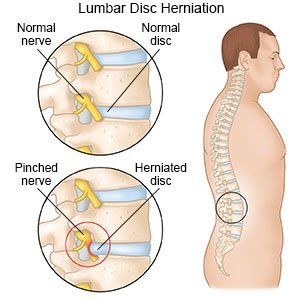
Symptoms:
Symptoms may vary, and some people might have a herniated disk without being aware of it, as it can show up on spinal images even in the absence of symptoms. However, for those who do experience symptoms, the most common signs include:
Arm or leg pain: If the herniated disk is in the lower back, the pain is typically felt intensely in the buttocks, thigh, calf, and possibly part of the foot. If it’s in the neck, the pain is most pronounced in the shoulder and arm, often shooting into the arm or leg during activities like coughing, sneezing, or specific movements of the spine.
Numbness or tingling: People with a herniated disk often feel numbness or tingling in the affected body part served by the affected nerves.
Weakness: Muscles controlled by the impacted nerves may weaken, leading to stumbling or difficulties in lifting or holding items.
causes:
The most common cause of disk herniation is gradual wear and tear associated with aging, known as disk degeneration. As you age, your spinal disks lose water content, making them less flexible and more susceptible to tearing or rupturing even with minor strains or twists. While some herniated disks occur without a clear cause, certain activities like using back muscles instead of leg muscles to lift heavy objects or twisting while lifting can contribute. Traumatic events such as falls or blows to the back can also lead to herniated disks.
Several risk factors might increase the likelihood of developing a herniated disk, including excess body weight, physically demanding occupations, and a genetic predisposition inherited from family members.
Prevention:
Taking proactive measures can help prevent a herniated disc:
- Exercise: Strengthening the muscles in your trunk provides stability and support for the spine.
- Maintain good posture: Proper posture reduces pressure on your spine and disks. Sit with your back straight and aligned, especially during extended periods of sitting. When lifting heavy objects, use your legs, not your back, to do most of the work.
- Maintain a healthy weight: Excess weight increases pressure on the spine and disks, making them more vulnerable to herniation.
Physiotherapy Treatment:
Physiotherapy plays a crucial role in treating lumbar disc herniation, often leading to recovery without the need for surgery. It is advisable to explore conservative treatments like physiotherapy before opting for surgery, as studies have shown similar symptoms persisting in patients post-surgery. Physicians recommend physiotherapy before invasive treatments due to its numerous benefits:
- Immediate pain relief: Physiotherapy provides immediate relief from pain.
- Improved mobility: Treatment enhances mobility in affected areas.
- Posture improvement: Physiotherapy helps correct posture, reducing strain on the spine.
- Enhanced flexibility: Exercises and therapies improve overall flexibility.
- Increased strength: Targeted exercises strengthen spinal muscles, promoting stability.
- Prevention of further damage: Physiotherapy prevents additional harm to the spine and surrounding soft tissues.
Home Program Management Patients are also guided on home programs that focus on maintaining proper body mechanics to prevent further spine and soft tissue damage. At Dr. Ram Sihag physiotherapy Clinic in Hanumangarh, individuals with lumbar herniation symptoms undergo a comprehensive evaluation, leading to the creation of a personalized treatment plan aimed at pain relief and improved mobility.
During the initial recovery phase, various modalities are utilized to provide pain relief, such as hot/cold packs, TENS, laser therapy, ultrasound therapy, and electrotherapy. Additionally, deep soft tissue mobilization, manual tractions (to alleviate neurological symptoms), and vertebral mobilization are recommended based on symptoms.
In cases of severe pain, bed rest with lumbar support may be advised initially, followed by gradual introduction of exercises focusing on:
- Core stability: Strengthening the muscles that support the spine.
- Flexibility: Improving overall flexibility in the affected area.
- Spinal muscle strength: Enhancing the strength of muscles surrounding the spine.
- Posture correction: Correcting posture to ensure pain-free daily activities.
- Daily activity improvement: Teaching techniques for pain-free daily tasks.
Exercises, when performed consistently and under the supervision of a Best physiotherapist for Lumber Herniated Disc Treatment In Hanumangarh, enhance strength, flexibility, and reduce the risk of further herniation. The progression and selection of exercises are crucial and should be guided by a professional.
Copyright ©2023 all rights reserved